Watch a good snow sculptor at work and the surprise isn't the speed of the chainsaw — it's how little of the time the saw is actually running. Twenty seconds of cutting, then the saw goes down, the hands come out, and the shape gets decided. Anyone who has tried to carve a whole piece with a bar alone knows why: snow is soft enough to invite brute force and heavy enough to punish it. Understanding what each family of tools does well is the difference between a sculpture that looks carved and one that looks chewed.
Speed: Where the Chainsaw Earns Its Keep
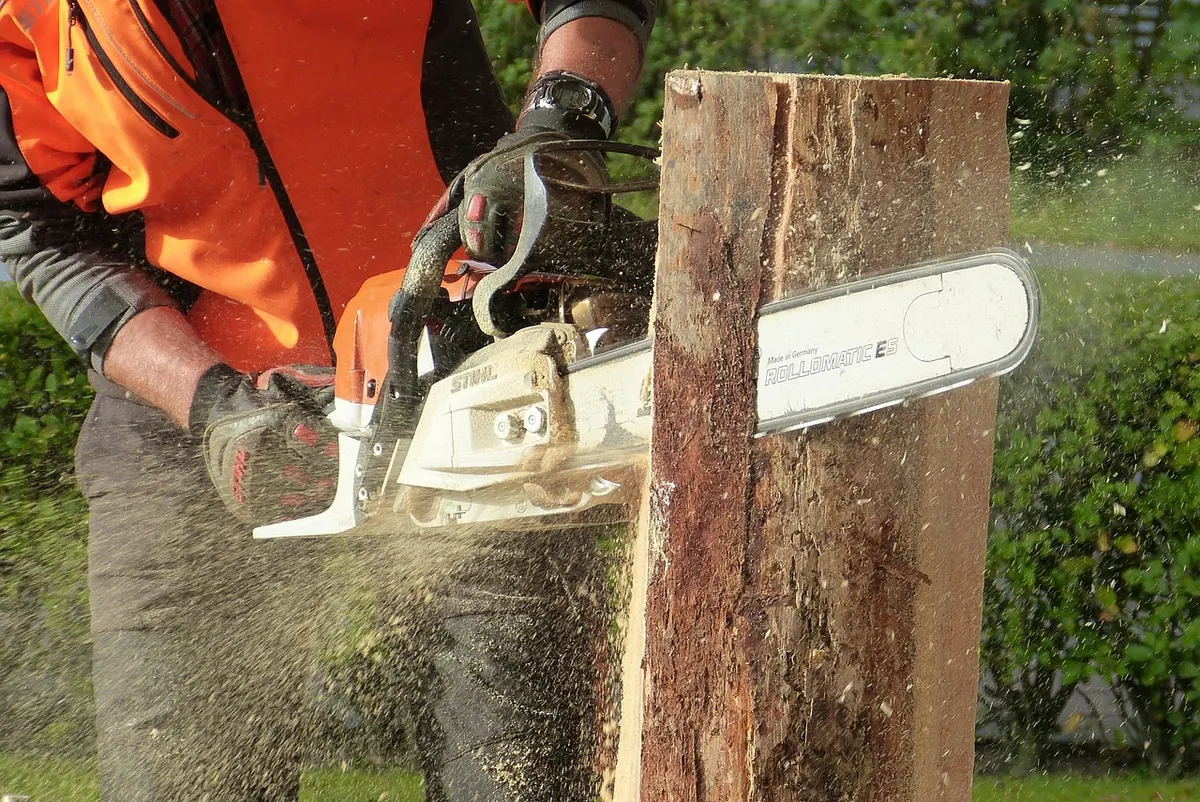
On a fresh, packed block of two metres or more, nothing manual comes close for removing volume. Roughing out the silhouette, cutting a doorway through a wall, slicing a block into slabs, taking off a corner that is never going to be part of the piece — these are chainsaw jobs. A sharp chain on dense snow cuts almost without resistance, and the work goes as fast as you can move your arms.
Speed drops off sharply in three situations. Old snow that has thawed and refrozen, or snow with a crust of ice, dulls a chain quickly and turns cutting into grinding. Wet, heavy snow clogs the sprocket cover and packs into the bar groove. And detail work is simply not a chainsaw task; a saw removes millimetres in handfuls, not slivers.
Hand tools are faster than people expect in the small stuff. A snow saw cuts a clean plane in a few strokes. A machete or a stiff chopper shapes a curve in less time than it takes to start a cold engine. For anything under about thirty centimetres of material, the hand tool is frequently the quicker option once you count setup, warm-up, and putting the saw down.
Control: The Bar Only Gets You So Close
A chainsaw commits. The bar has width, the chain has teeth, and the moment of contact is a small controlled demolition. You can steer a saw along a line, but you cannot feel the last two centimetres of a form through it.
Hand tools talk back. A rasp tells you where the high spot is. A trowel pats a surface into a plane. A spray of water followed by a gloved hand or a plastic scraper closes the pores and firms the skin of the snow. None of that feedback exists through a running saw.
The practical consequence: plan your cut list before the saw starts, and leave a margin. Mark the depth on the block with a stick or a screwdriver, cut to the mark, then finish with hand tools. Sculptors who skip the margin tend to overshoot, then patch, and patches in snow are never invisible.
Where a saw simply cannot reach
- Inside hollows, arches, and windows, where the bar and the powerhead need clearance you don't have.
- Thin features — fingers, branches, hair, whiskers — that will snap under the weight of a saw.
- Overhangs and unsupported spans, where the saw's vibration can bring down the very shape you are defining.
- Surfaces facing the light, which will show every chain mark under a raking sun or a judge's torch.
Safety: Frozen Water Changes the Rules
The usual chainsaw instincts still apply — eye protection, hearing protection, gloves, boots with grip, full concentration — but snow adds a few problems of its own.
The material moves. Blocks settle, edges crumble, and a shelf you were standing on can shear off while you are mid-cut. Kickback comes from a different source than in wood: not binding in a kerf, but the tip snagging on a hard ice layer or on a buried irregularity inside a block. Keep the nose of the bar clear, cut at full throttle from the middle of the bar, and never let the chain touch anything while you are walking with the saw running.
Cold makes everything worse. Wet gloves reduce your grip on the handles; that alone shortens your working window, so take breaks and dry your hands. Ice chips fly further and harder than sawdust. Chainsaw chaps are designed and tested against wood, so treat them as one layer of protection rather than as permission to work carelessly — keep the bar away from your legs and never cut towards your body.
Engines and electricity each carry their own rules. Never run a petrol saw in a tent, trailer, or any enclosed space; carbon monoxide builds fast and gives no warning. With electric saws, use outdoor-rated cords, keep the connection out of slush and standing water, and route the cord where you will not step over it or drag it through a cut.
Portability, Cold, and the Logistics Nobody Mentions
Petrol saws are self-contained and strong, but they are heavy, noisy, and fussy at altitude — a rich-running engine will bog and spit oil onto the snow. Exhaust residue also leaves a dark smear that reads badly on a white surface, which is a strong argument for keeping the saw away from any face you intend to leave exposed.
Battery saws are cleaner and quieter, and the cold is their enemy: cells lose usable capacity fast below freezing. Carry spares inside your jacket rather than in the truck, and expect to swap more often than the workshop numbers suggest. If you are working a long day, a second battery is not a luxury.
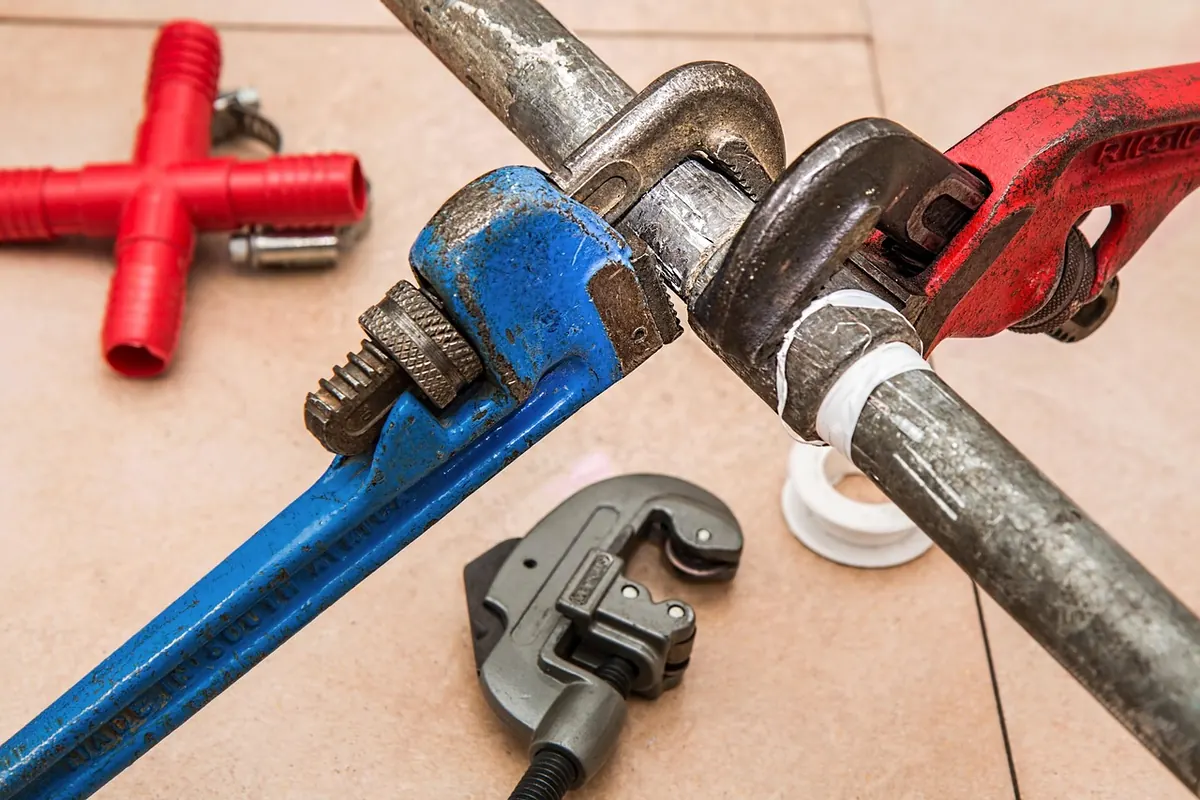
Hand tools travel better than any saw. A saw, a chopper, an ice chisel, a rasp, a trowel, a scraper, a spray bottle, and a soft brush will pack into a single bag and carry up a slope on foot. That matters more than most beginners think, because the block is rarely where you would have put it.
Finish: What the Surface Says
A chain leaves a regular striation, and a wide bar leaves a shallow valley at every pass. Under overcast light this hides; under a low sun or an evening floodlight it reads as corduroy. If the piece will be photographed or judged, budget time for a pass with hand tools and a light water spray to close the texture.
Chain marks can also be a deliberate texture — coarse fur, bark, weathering on a stone form. The mistake is getting them by accident everywhere. Decide which surfaces should be smooth and which should be rough, then cut accordingly.
A Workflow That Uses Both
- Set the block. Pack the base, clear the footing, and check that nothing is likely to shift under your feet.
- Mark the plan. Draw the silhouette on two faces with a marker or a stick, and note only the cuts that remove large waste.
- Block out with the saw. Work from the outside in, leave a margin everywhere, and stop before you reach a marked line.
- Switch to hand tools. Saw, chop, and chisel to just proud of the final surface. This is where the form gets its character.
- Refine with rasps and scrapers. Work the light-facing surfaces first and check them from a distance every few minutes.
- Spray and smooth. Fine water mist, then a gloved hand, a trowel, or a plastic scraper to set the skin.
- Inspect in raking light. A torch held low across the surface will expose every ridge you missed.
Deciding Before You Pack the Truck
Take the chainsaw when there is volume to remove, when the block is dense and the schedule is tight, and when you have someone else on hand for the finish work. Take hand tools when the piece is small, delicate, hollowed, or destined for close-up photographs, and take them anyway as a backup — a saw that won't start in minus fifteen is a heavy paperweight, and a snow saw is not.
For most sculptors the honest answer is both, in that order. Rough out with power, resolve the form by hand, and stop cutting the moment the saw starts making decisions for you. And if you are new to chainsaws, get real instruction before you touch snow with one; a short course in basic chainsaw safety is worth more than any tool on this list.
Photo: pb826 / Pixabay